Tara kirjoitti:

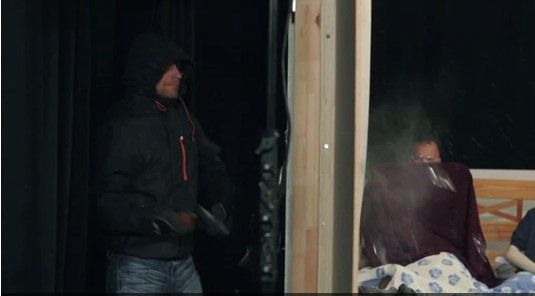
Mites se oli sen lasipölyn kanssa. Väitit, että mitään lasipölyä ei ikkunaa rikottaessa synny!
Kuolemannaakka:
...Ja tätä lasipölyä ei synny ikkunaa rikottaessa, vaan porattaessa tai hiottaessa... Ei taatusti jää mitään pölyjä leijumaan huoneilmaan,
Kyllä se nyt vaan jonkin aikaa ilmassa pyörähtelee se lasipöly, voi nousta jopa ylöspäin riippuen ilmavirroista, esim ihmisten huitovista liikkeistä samassa tilassa.
http://murha.info/phpbb2/viewtopic.php?p=673335#p673335
Hyllytetty tv-ohjelma jäljitteli Ulvilan surmaa: Näin kauan kesti ulko-oven lasin rikkominen:
http://www.iltasanomat.fi/kotimaa/art-1 ... 30849.html
 *
* muistui mieleen yhden jos toisenkin kerran käyty vääntö:
 esim ne postaukset, joissa väitit, että etp:n mukaan sängyllä oli kurainen kengänjälki - vaikka ei ollutkaan, vaan vain kuraa.. muistin ykskaks. Yritit samaa väitettä vielä uudemmankin kerran. Taas oikaisin. Sitten Ihmettelit, miksi sitten Auerilta on kysytty kuraisesta kengänjäljestä lakanoilla. - Voi voi, kun ei sellaista ole kysytty Auerilta missään kuulustelussa, kun ei ole kysytty kengänjäljestä, niin ei ole!
Mutta tietenkään tällaisilla asioilla ei sinun mielestäsi ole mitään merkitystä tai ainakin se on vähäpätöinen. Lapset pomppineet petaamattomalla sängyllä kengät jalassa, kuraa tippunut heidän jalkineistaan ja vaatteistaan. Ihan normaalia..
Itse asiassa tästä lasipölystä keräsin oikein word-tiedostoa ja kahlasin nettiä läpi , löytääkseni asiasta jotain tietoa. En vaan löytänyt. Tuohon videosta otettuun still-kuvaanko nyt "todistuksesi" pohjaat, vai sanotaanko ko. dokumentissa paikalle jääneen leijumaan lasipölyä pitkiksi ajoiksi? Totta kai iskuhetkellä lentää pieniä lasinpaloja, mutta se on ihan eri asia, kuin että lasi jäisi paikalle leijumaan, siitähän tässä kyse on ollut. Lasi on kvartsia/piidioksidia, ja ilmaa raskaampaa.
En löytänyt netistä tietoa mistään lasipölyistä muuten kuin lasinhionnan, -poraamisen ja lasipuhalluksen yhteydessä. Näissä lasiin kohdistuu valtava voima aivan pienelle alueelle ja mekanismi on ihan erilainen, kuin jos lyöt lasiin reiän. Lasihan hajoaa suhteessa erittäin suurina paloina, eikä niistä lasin murtumalinjoista mitään pölyä ilmoille pölähdä. Molekyylitasolla liitoskohta on "siisti". Lasi ei ole kiteinen, vaan amorfinen aine.
Kaivosmiehet saivat kvartsipölyn hengittämisestä keuhkosairauden:
http://en.wikipedia.org/wiki/Silicosis
Tämä tulee nimenomaan KITEISEN kvartsin hengittämisestä, ja lasi ei ole kiteisessä muodossa:
Silicosis is due to deposition of
fine respirable dust (less than 10 micrometers in diameter) containing crystalline silicon dioxide in the form of alpha-quartz, cristobalite, or tridymite.
Glass is an amorphous (non-crystalline) solid material that exhibits a glass transition, which is the reversible transition in amorphous materials (or in amorphous regions within semicrystalline materials) from a hard and relatively brittle state into a molten or rubber-like state.
Ajattele nyt: jos heität vesilasin maahan eteesi puolentoista metrin päähän, jäkö siitä ilmaan leijumaan pölyä?? Lasiin kohdistuvat voimat ovat aivan liian pieniä, koska varsinainen iskukohta (se, joka osuu maahan, ja josta hajoaminen alkaa) on erittäin pieni ja muutoin lasi hajoaa murtumalinjojaan pitkin isoiksi paloiksi. Jos ihminen rikkoo ikkunaa, ei lasiin kohdistu kuin aivan lyöntikohdassa sellaisia voimia, jotka aiheuttaisivat pieniä siruja. Ja nyt siis puhutaan niin pienistä partikkeleista, jotka jäisivät leijumaan, eli olisivat ilmaa kevyempiä tai aivan niillä hilkuilla. Lasin pitäisi mennä mikro- tai nanopartikkeleiksi, että se leijuu. Mikä voima sitä lasia niin pieniksi rikkoisi? Yhden ukon parikymmentä kirveeniskua?
Netistä löytämiäni pätkiä piistä, lasista ja lasipölystä.
Brittle objects, like glass, fracture in predictable patters, with their fragments following a certain range of sizes, with a certain distribution of small, medium and large pieces. Physicists have developed mathematical formulas to describe the process by which cracks propagate in predictable ways as brittle objects break.
Glass is made of slilica and there are known health hazards surrounding inhaling silica dust.
Crystalline silica is the basic component of sand, quartz and granite rock. Airborne crystalline silica occurs commonly in both work and non-work environments. Activities such as a sandblasting, rock drilling, roof bolting, foundry work, stonecutting, drilling, quarrying, brick/block/concrete cutting, gunite operations, lead-based paint encapsulant applications, asphalt paving, cement products manufacturing, demolition operations, hammering, chipping and sweeping concrete or masonry, and tunneling operations can create an airborne silica exposure hazard.
Occupational exposure and inhalation of airborne crystalline silica can produce silicosis, a disabling, dust-related disease of the lungs. Even materials containing small amounts of crystalline silica may be hazardous if they are used in ways that produce high dust concentrations. Depending on the length of exposure, silicosis is a progressive and many times a fatal disease that accounts for approximately three hundred deaths annually in the construction industry, or 10% of all silicosis-related deaths annually.
Inhaling silica dust has also been associated with other diseases, such as tuberculosis and lung cancer. There is no cure for silicosis, but it is a 100% preventable occupational disease.
Q: does silica dust become less harmfull overtime while it is free in the environment?
A:
Yes it is heavier than air and it will fall to the ground. It will also pickup water from the air and this will make it heavier still.
Silicon (Si) is the second most common element in the Earth's crust (oxygen is the most common). The compound silica, also known as silicon dioxide (SiO2), is formed from silicon and oxygen atoms. Since oxygen and silicon make up about 75% of the Earth, the compound silica is quite common. It is found in many rocks, such as marble, sandstone, flint and slate, and in some metallic ores. Silica can be a main component of sand. It can also be in soil, mortar, plaster, and shingles. The cutting, breaking, crushing, drilling, grinding, or abrasive blasting of these materials may produce fine silica dust.
Silica occurs in 3 forms: crystalline, microcrystalline (or cryptocrystalline) and amorphous (non-crystalline). "Free" silica is composed of pure silicon dioxide, not combined with other elements, whereas silicates (e.g. talc, asbestos, and mica) are SiO2 combined with an appreciable portion of cations.
Crystalline silica exists in 7 different forms (polymorphs), depending upon the temperature of formation. The main 3 polymorphs are quartz, cristobalite, and tridymite. Quartz is the second most common mineral in the world (next to feldspar).[13]
Microcrystalline silica consists of minute quartz crystals bonded together with amorphous silica. Examples include flint and chert.
Amorphous silica consists of kieselgur (diatomite), from the skeletons of diatoms, and vitreous silica, produced by heating and then rapid cooling of crystalline silica. Amorphous silica is less toxic than crystalline, but not biologically inert, and diatomite, when heated, can convert to tridymite or cristobalite.
Silica flour is nearly pure SiO2 finely ground. Silica flour has been used as a polisher or buffer, as well as paint extender, abrasive, and filler for cosmetics. Silica flour has been associated with all types of silicosis, including acute silicosis.
Silicosis is due to deposition of
fine respirable dust (less than 10 micrometers in diameter) containing crystalline silicon dioxide in the form of alpha-quartz, cristobalite, or tridymite.
Glass is an amorphous (non-crystalline) solid material that exhibits a glass transition, which is the reversible transition in amorphous materials (or in amorphous regions within semicrystalline materials) from a hard and relatively brittle state into a molten or rubber-like state. Glasses are typically brittle and can be optically transparent. The most familiar type of glass is soda-lime glass, which is composed of about
75% Silicon dioxide (SiO2), sodium oxide (Na2O) from soda ash, lime (CaO), and several minor additives. The term glass is often used to refer only to this specific use.
Glass contains about 70 to 74% silica by weight and is called a soda-lime glass. Soda-lime glasses account for about 90% of manufactured glass.
Soda-lime-silica glass, window glass: silica 72% + sodium oxide (Na2O) 14.2% + magnesia (MgO) 2.5% + lime (CaO) 10.0% + alumina (Al2O3) 0.6%. Is transparent, easily formed and most suitable for window glass. It has a high thermal expansion and poor resistance to heat (500–600 °C). Used for windows, containers, light bulbs, tableware.
Kyllä se hiekkapuhalluskaappi saisi olla oikeasti tiivis.
F 200 on aika hienoa puhallustavaraa, ja irroittaa lasista stabiilia mikro- ja nanojakeista jäämää joka leijuu aika kauan ilmassa. Filmivaneri on kyllä hyvä runkomateriaali, kuka pöhkö ny jatkuvasti päin kaapin seiniä puhaltelisi. Jos kaapin katosta tarvii välttämättä laittaa kappaleet roikkumaan niin joku suojataustalevy vaikka ämpärimuovia sinne taakse niin ei ihan heti mene läpi.
Tuosta hienosta lasipölystä, edellispäivänä leväytin auki 15 kilon säkin
nanolasia, semmoinen about äijän kokoinen säkki. Vaikka oli kaikki ylipainesuojat ja tiivit hanskat ja homma tehtiin isossa vetokaapissa niin kyllä oli kädet kuivakkaat hetken sen jälkeen. Jostain se aina pääsee. Sen kummemmin toksista se ei ole, mutta aika epämukavaa. Vuotava hiekkapuhalluskaappi on hiukan samanlainen harmitus.

 Sormista vai? Okei, jälkeä ei nimetty etp:ssä kengänjäljeksi, muistin tämän väärin, mutta mitä MERKITYSTÄ tällä asialla on? Mitä merkitystä on sillä, oliko kyseessä kengästä, sormista tai varpaista tullut kura? Pointtihan oli se, että antiannelistit taivastelivat, kun ei ole huppumies tuonut kuraa kengissään kämppään tullessa, ja kappas vaan, kun tarkemmin katsotaan: tuolilla on kurainen kengänjälki, ja lakanoista löytyy myös kurajälki! Niin sitten se ei kelpaakaan taas, kun sehän on vain lavastusta ja jotain lasten tuomaa selvästikin.